How to Spot Gutter Problems Before They Worsen
@thedamagedguttersystemfacts
November 10, 2026 · 8 min read
Gutters do their job quietly until something goes wrong. A clogged section or a sagging joint might seem minor at first, but water that cannot flow freely finds other paths. Over time, that redirected water can damage siding, saturate soil near the foundation, or cause basement seepage. Understanding how a gutter system works and what to look for when it starts failing helps you stay ahead of costly repairs. This article explains the common signs of trouble, the factors that affect gutter performance, and what to consider if replacement becomes necessary.
How a Gutter System Should Work
A well-functioning gutter collects rainwater from the roof and channels it to downspouts, which direct the water away from the building. The key components are the gutters themselves, the downspouts, the connectors, and the hangers that keep everything in place. For the system to work, the gutters must slope slightly toward the downspouts. That slope, often called the pitch, is typically about one-quarter inch for every ten feet of gutter. Without that pitch, water pools in low spots and eventually overflows.
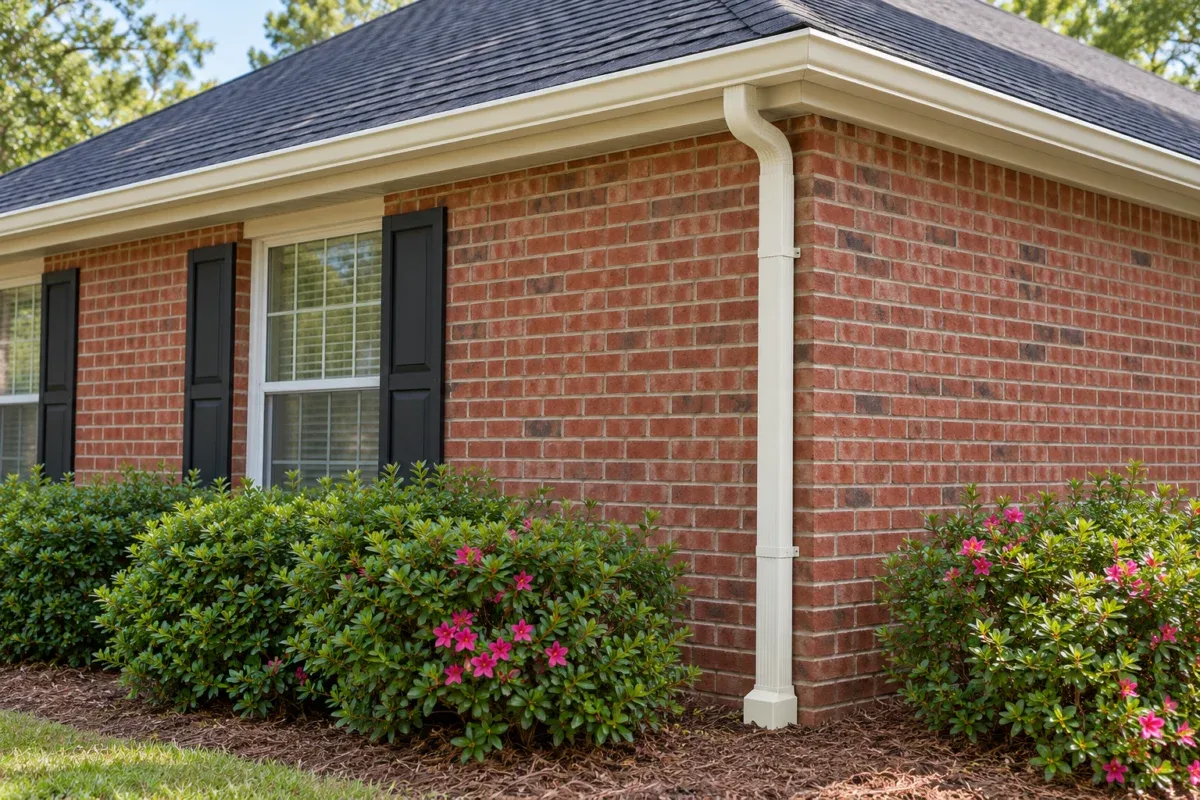
Downspout placement also matters. A downspout that is too far from a corner can leave long stretches of gutter carrying more water than they can handle. In heavy rain, that can lead to overflow even if the gutters are clean. The best layouts place downspouts near corners and at intervals that match the roof area draining into each section. Water flow routing below the downspouts is equally important. Extensions or splash blocks that carry water at least a few feet from the foundation help prevent erosion and basement moisture.
Common Signs of a Damaged Gutter System
One of the most obvious indicators is water spilling over the sides during a storm. If you see water running down the fascia or siding, the gutters are not handling the volume. That can happen because of clogs, but it can also happen when the pitch is wrong or the gutters are undersized. Another sign is sagging sections. When gutters pull away from the roofline, the hangers may have broken or the gutter material may have warped. Sagging gutters create low spots where water stands, and standing water adds weight that can worsen the sag.
Peeling paint or rust on the gutters themselves suggests moisture is sitting against the metal or that the finish has worn away. For painted steel gutters, rust that flakes through is a sign that replacement is not far off. For aluminum or copper, corrosion is less common but can occur where dissimilar metals touch. Staining on the siding below the gutters also points to overflow. Those stains are often a mix of dirt and minerals from the roof, and they can be difficult to clean off.
Inside the house, look for water marks on the ceiling near exterior walls or damp spots in the basement after a heavy rain. Those can mean water is seeping through the foundation because downspouts are not carrying water far enough away. Also check the ground around the house. If you see deep erosion channels or soil that stays soggy long after a rain, the gutters may be dumping water too close to the house.
What Causes a Gutter System to Fail
Debris is the most common culprit. Leaves, twigs, and pine needles accumulate in the gutters and block the flow. Even with regular cleaning, some homes need extra protection like leaf guards or mesh screens. But debris is not the only cause. Improper installation can lead to problems from day one. If the hangers are spaced too far apart, the gutters will sag under normal loads. If the pitch is off, water will not drain properly. And if the downspouts are too few or too narrow, the system cannot handle the volume that comes off the roof during a storm.
Atlanta weather adds its own challenges. The region gets heavy spring and summer downpours that can overwhelm an undersized system. Freeze-thaw cycles in winter can cause ice dams that lift shingles and pull gutters loose. And the humidity and heat can accelerate corrosion on metal gutters. Homes with many roof valleys or complex rooflines also collect more debris and need more frequent maintenance. For those homes, seamless gutters are sometimes a better option because they have fewer joints where leaks can start.
Age is another factor. Most gutter materials have a service life. Vinyl gutters may last ten to fifteen years before becoming brittle. Aluminum and steel gutters can last longer if painted and maintained, but they still eventually fail. When the gutters are more than fifteen years old and showing several signs of wear, it may be time to start planning for replacement.
What to Check Before Replacing
Before deciding to replace a damaged gutter system, it helps to diagnose the specific problem. A single sagging section might just need a new hanger or a realignment. A clogged downspout might clear with a flush. But if multiple sections are rusted through, if the hangers are pulling away from the fascia, or if the gutters are undersized for the roof area, then replacement is usually the more reliable choice.
Start by examining the hangers. Are they rusted, broken, or pulling loose? If the fascia board behind them is rotted, the hangers have no solid anchor. That means the fascia needs repair before new gutters can go up. Next, check the downspouts. Are they clear? Do they have enough outlets for the roof size? A roof with large sections draining into a single downspout will likely overflow in a heavy rain. Adding an extra downspout can sometimes solve the problem without replacing the entire system.

Also look at the gutter sections themselves. If they are sagging but not rusted, they may just need to be rehung with better support. If they are bent or twisted, they probably need replacement. For homes with trees overhead, consider adding leaf guards. They are not a perfect solution, but they reduce the frequency of cleaning and help keep water flowing.
Risks of Ignoring Gutter Problems
Water that bypasses the gutters does not just make a mess. It can rot the fascia board and the rafters behind it. That kind of damage is expensive to fix because it involves carpentry, not just gutter work. Water that pools near the foundation can cause the soil to shift, which may lead to cracks in the foundation or basement walls. In crawl spaces, moisture can encourage mold growth and wood rot. The longer a gutter problem goes unfixed, the more extensive the damage becomes.
There is also the risk of ice buildup in cold months. When gutters are clogged or sagging, water that freezes can form ice dams that lift shingles and allow water to seep under the roof. That type of damage can lead to interior leaks and ruined insulation. In Atlanta, where temperatures fluctuate, freeze-thaw cycles can cause ice dams to form and melt repeatedly, putting extra stress on the gutters and the roof edge.
Gutter Replacement Considerations
If the assessment points toward replacement, the next step is choosing the right material and profile. Seamless gutters, made from continuous lengths of aluminum, are a popular choice because they eliminate the joints that can leak. They are custom-formed on site to match the roofline, which reduces the risk of mismatched sections. Another option is sectional gutters, which come in pre-cut pieces and are joined with connectors. Sectional systems are easier to install but have more potential leak points.
Material choice affects longevity and appearance. Aluminum gutters resist rust and can be painted to match the trim. Steel gutters are stronger but can rust if the paint chips. Copper gutters last a long time and develop a patina, but they cost more. Vinyl gutters are the least expensive but are also the least durable. For the Atlanta climate, aluminum or painted steel are common choices because they balance cost and performance.
Downspout size and placement also matter during replacement. Larger downspouts, typically 3x4 inches instead of the standard 2x3, can handle more water and reduce the chance of overflow. Adding more downspouts or relocating existing ones can improve water flow routing and protect the foundation better. The installers should also check that the downspouts discharge water at least a few feet from the house, either through underground pipes or above-ground extensions.

Keeping the System in Good Shape
Regular cleaning is the simplest way to extend the life of any gutter system. Twice a year, in late spring and late fall, is a good schedule for most homes in Atlanta. After cleaning, check for signs of wear: loose hangers, small leaks at joints, or gutters that have shifted. Catching small problems early keeps them from becoming big ones. Leaf guards can reduce the amount of debris that gets into the gutters, but they still need to be cleaned periodically. No guard is maintenance-free.
Understanding your gutter system and knowing what to look for when something goes wrong can save you time and money. Whether you need a simple repair or a full replacement, the goal is the same: keep water moving off the roof and away from the house. A damaged gutter system that gets ignored will only cause more damage over time. Paying attention to the signs and acting early protects your home and your peace of mind.